- Nov 15, 2024
"Welcome to Parenthood: Essential Tips for Baby’s First Week"
- Grace Williams
- 0 comments
If you’ve never given birth before, it can be really hard to imagine what those first few weeks after birth will look like and what to expect from your new little bundle. Knowing what to expect in those first weeks post birth and managing those newborn expectations can help you to feel prepared.
The First Week Post-Birth
Many new parents often have the “what do we do now?” once they have had their home or hospital birth and have been left to care for their baby.
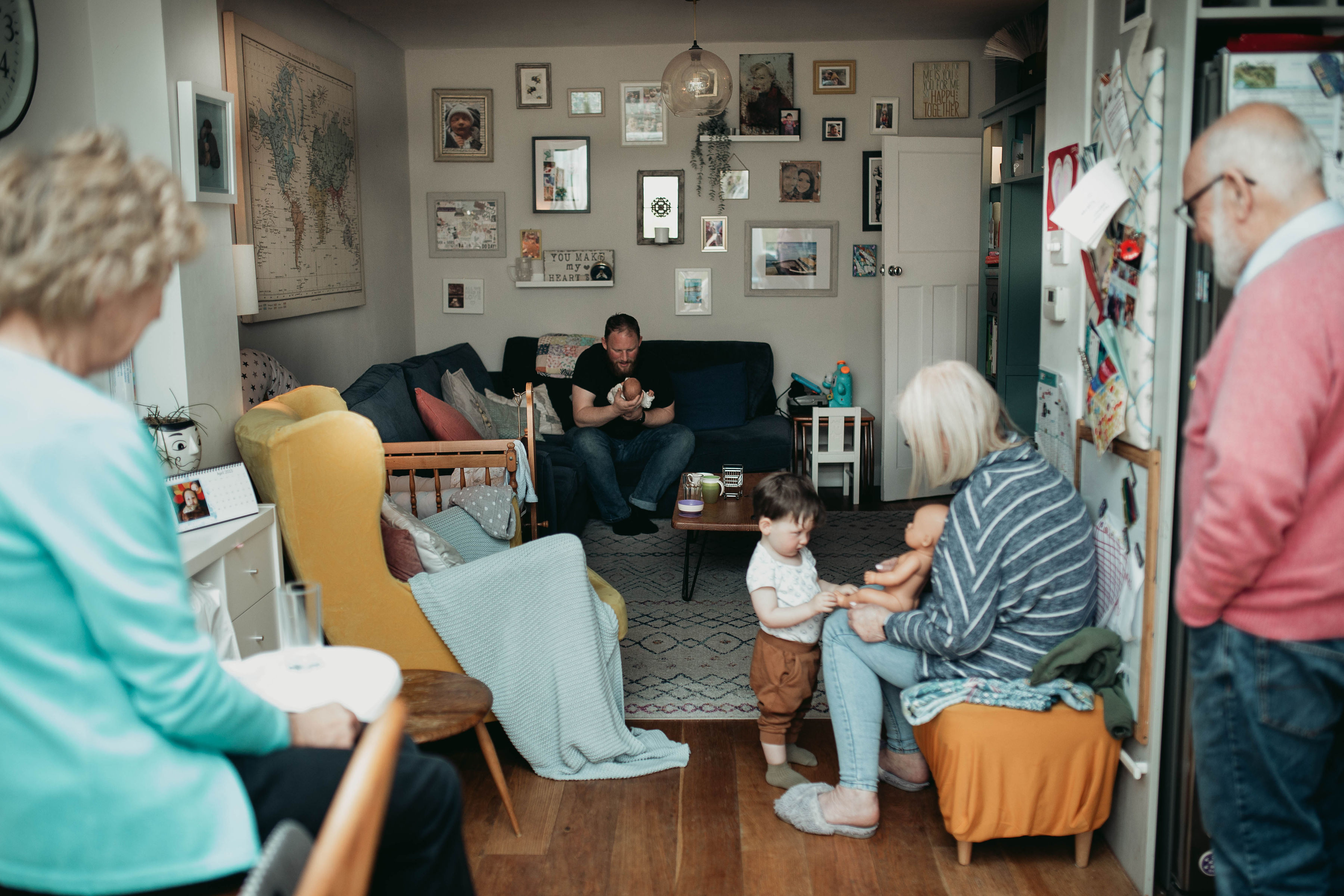
You’re not alone if this is you!! It can feel overwhelming and scary at times, and we understand why. Suddenly you go from wondering what it might be like to living it here and now. It might be comforting to know that your body is wired to care for your baby - your brain changes to enable you to love and learn more, as you learn new skills and connect with your baby. Your instincts are hypersensitive to your baby’s needs, enabling you to wake at night and respond to them when they wake.
In reality, the first week is a lot of feeding, caring for and holding your gorgeous baby. Babies are born needing a nurturing caregiver to respond to their needs. Accepting this will help you settle into postpartum life with likely expectations. It also means you can take things easy post-birth and look after yourself too. You matter just as much as your baby.
Key to these early days and weeks is to know that you will find your groove. This is all new, and the more grace you give yourself in recognising that, the more likely it is that you will settle into life with a newborn.
Sleep, What’s that?
The Baby Sleep Information Source state that on average newborns typically sleep between 18 to 20 hours a day, but it’s often in short bursts of 1-3 hours at a time.
Every baby is different so some babies may sleep longer than others and some less so. This can be really hard when you have a baby who doesn’t seem to sleep as long as others and you start to wonder if you’re doing something wrong!
One of the major sources of stress and worry for parents is sleep. Ongoing broken sleep for them and the amount/quality/duration of their baby’s sleep. The sleep pattern outlined above is crucial for a baby’s growth and development, but it can feel really unpredictable and this can be stressful! This is often a topic of conversation at Nurture and Nest, our baby group for parents with babies 0-6 months old. We joke that if only our babies let us know how long they would be napping or sleeping for, it would make things so much easier!
Newborns don’t know night from day yet, so you may also find they are little night owls. Babies also wake for lots of different reasons including hunger, nappy changes, to regulate their temperature, comfort and to feel close to a caregiver. All of these are totally normal, but it can still be tough when a baby doesn’t settle or seem to ‘need’ you lots of the time.

Learn about Feeding Cues
Newborns have small stomachs, which means they need to feed often. It can also feel like all you’re doing is feeding A LOT whether you are breast/chest or bottle feeding.
It is totally normal to feel like that and to find it tough. Make sure you have things nearby or even get a basket of things such as water bottle, snacks, muslins, remote control, phone to navigate those times when you just seem to be stuck to the sofa.
It is a great idea to learn your baby's feeding cues which will help you to start understanding what your baby is trying to communicate to you! Feeding cues to look for are:
Rooting (turning their head and opening their mouth)
Smacking lips
Sucking on hands
Some mums have said that as soon as their baby starts to stir they offer a feed, to catch them before the baby starts to cry etc and then takes longer to settle. To have a look at what those feeding cues may look like you can print off a free baby cues sheet here.
Communication

Babies are born with an instant desire to connect. They want to feel close to others and are seeking for physical and emotional connection. In fact, this connection fast tracks their brain development and helps them develop more. It can be really hard for little ones to communicate with you, especially when they can’t tell you what is up! Instead, they will use their cries to communicate to you what they want! It may feel a little daunting at first but I promise you will start to learn what their crying means and it can help you soothe and settle them once you have a feel of what they are trying to tell you.
Crying sounds may mean:
Hunger: A rhythmic, repetitive cry
Discomfort: A more frantic, high-pitched cry
Sleepiness: A whiny, whimpering cry
Remember you are learning your baby and your baby is learning you. It is all a learning phase and it can take time!
Bonding and Attachment
The first week is also a time for bonding. We often think skin-to-skin is just for those first few hours post birth but doing skin-skin at home in those first few weeks can really aid bonding and help to foster emotional connection. It can also help to regulate your baby’s body temperature and heart rate and create a calm connection. They can feel your heartbeat, they feel close to you and it can also support breast/chest feeding.
Let's talk about newborn nappies 💩
Having a good nappy output can be a good sign that feeding is going well. Expect at least 5-6 wet nappies and 2 dirty nappies in 24 hours during the first week post birth. It may be handy to write them down somewhere on a note paid or on your phone as your midwife or health visitor will likely ask how many wet and dirty nappies your baby has had. You can read more about nappy output and what to expect here.
Environment
If we think about how babies have spent the previous 9 months in the womb - dark, warm, held, not experiencing hunger, muffled sounds then we can appreciate how life on earth-side might be a little overwhelming! They experience hunger, temperature changes, thirst, bright lights and sounds etc.
Their environment has completely changed. All their senses will be adapting to their new environment. It may be a little unsettling for them and it may mean they will want to be close to you for comfort and support and to feel safe and may not want to be put down! This is totally normal I promise you, and they just need to adjust to this new environment.
Here are some things that can help them adjust to this transition to the outside world:
Being close to you - be that in your arms or in something like a sling
Listening to white noise (a hair dryer or hoover may have the same effect!)
Having lots of skin-to-skin
Hearing your voice as you talk to them
Keeping visitors to a minimum
The first week with your newborn is a time of adjustment for both you and your baby. Understanding these behaviors can help you to navigate those first few weeks post birth and support bonding with your baby. Remember, every baby is unique, so trust your natural instincts, no one else knows your baby more than you!
Download your free “0-3 months welcome to the world UNICEF pack full of lots of info on feeding cues, nappies, newborn behavior here. Other helpful sources of information for newborn behavior and parenting are: