- Oct 10, 2024
"Is this normal?” The emotional journey of motherhood
- Grace Williams
- 0 comments
“When a baby is born, so is a mother, each unsteady in their own way. Matrescence is profound, but it's also hard, and that's what makes it human.” Dr Alexandra Sacks
Matrescence. What the..?
If you’ve given birth and are feeling a little bit confused or that you’re not feeling like yourself, chances are you’re smack bang in the middle of a transition called matrescence.
“What’s matrescence?” I hear you say. Well, simply put, it is the term used to describe the transition to mother/parenthood. Just like adolescence refers to the transition from teenager to adult, matrescence recognises the life-changing transition from pre to post-birth. You can experience loss of identity, question your relationships, values and beliefs. This transition can leave you with feelings of guilt, vulnerability and makes you question a lot of things in your life. That's a lot, right?!
Lucy Jones, author of Matrescence: On the Metamorphosis of Pregnancy, Childbirth, and Motherhood states that
“We don’t properly recognise “the psychological and physiological significance of becoming a mother: how it affects the brain, the endocrine system, cognition, immunity, the psyche, the microbiome, the sense of self”.
Matrescence is not widely understood, and as a result most western cultures don’t educate people about it or support them through this time of change.
What’s more is that this natural transition, this journey, doesn’t just happen instantly. It can last weeks, months and even years. It can begin as early on as when a woman and or birthing person is trying to conceive through to postpartum, after your baby is born. It also happens as a mother/parent plans to have their next child and so on.
Postpartum Depression or Matrescence?
Postnatal depression is a type of depression that many parents experience after having a baby. Dr Alexandra Sacks is a psychiatrist, who went viral in her TEDTALK ‘A new way to think about the transition to motherhood’. In this talk she discusses the lack of knowledge and understanding from society of matrescence which can lead to it being confused with postpartum depression.
Signs and symptoms of postnatal depression can include but not limited to feeling:
Down, upset or tearful
Restless, agitated or irritable
Guilty, worthless and down on yourself
Empty and numb
Isolated and unable to relate to other people
That you find no pleasure in life or things you usually enjoy
A sense that things don't feel real
No self-confidence or self-esteem
Hopeless and despairing
Hostile or indifferent to your partner
Hostile or indifferent to your baby
Suicidal
It is important to reach out for help if you are experiencing any of the above and need help. You can reach out to your GP, Midwife and Pandas offer a free helpline to talk to someone.
How to Support yourself
You are not alone
Due to this lack of social awareness and understanding, it can often leave us feeling that we are alone. Add to that a societal perception of the need to belong with society and social media’s pressure of having everything together to be the “perfect mother and or parent” means that we often don’t share the reality of what we may be experiencing and feeling as we transition to mother/parenthood.
“Having a baby is hands down the biggest, most amazing thing I have ever done. It required my body to change shape, give life, heal, and grow strong again, and for my mind to absorb new skills and adapt to becoming a mum. This transition, this redefining of who I am, was undoubtedly the most intense in the days and weeks following my daughter's birth” - Sian, doula client of Grace (Our Director)
Talk it out
Being aware of matrescence, digging into what it means and making your own sense of what’s happening to you can be a game changer. Talking to other people, whether it be a partner, family, friends or other new parents can also really help. It’ll help others be aware of this change and what it means for you and it’ll start to raise awareness of this huge shift.
Talking with others can also stop you from feeling so alone in this period of change. Finding people who share the same feelings as you can be a huge game changer in knowing you’re not the only one.
What can you do for yourself?
If you’re reading this and you’re still pregnant, there are some things you can do to help prepare yourself for matrescence. The first thing is to read up on it. If you want some pointers, you could start by watching Dr Sack’s TEDTALK [link], listen to her podcast ‘Motherhood Sessions’ or read Lucy Jones’ book ‘Matrescence’.
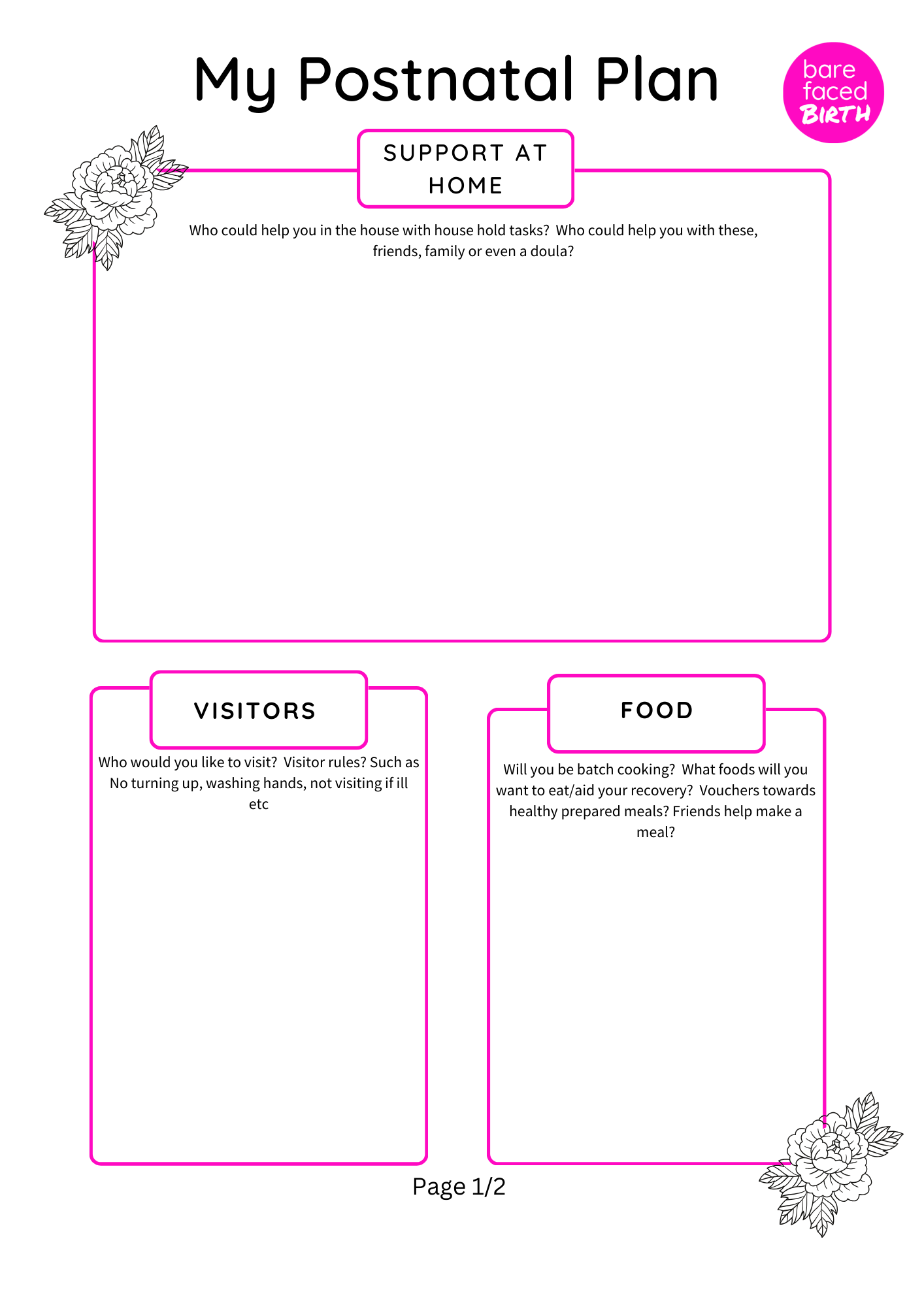
To help ease you into life after birth, you might want to write a postpartum plan. Just like a birth plan helps to prepare for labour and birth, a postpartum one helps you think ahead to life after birth.
Things you might want to think about are:
Who can be around to support you in those first few days and weeks? Friend, family or doula
What food can you prep before postpartum and who can provide some yummy meals?
Things you may need
Your local mummy MOT or postpartum physio.
Where to access perinatal support
Where you can get local feeding support (peer support groups, infant feeding team, lactation consultants - called IBCLCs)
Baby groups where you can meet other parents and get some support. (Just like Nurture and Nest!).
Having this ready and prepared means you can aid those first few weeks however you are feeling. The lovely Kerry at Barefaced Birth has offered her postnatal plan below that you can download for free and use it to help you plan for the fourth trimester.
“Having a child, particularly your first child, is such a life-changing moment. Nothing can really prepare you for that. Nothing can really prepare you for the sheer overwhelming experience of what it means to become a mother. It is full of complex emotions of joy, exhaustion, love, and worry, all mixed together”. - Kate Middleton
Just as we make space and understanding for teenagers as they navigate the hormone-fuelled path to adulthood, we need to offer the same support and understanding to mothers and parents as they navigate the huge life shift that is giving birth and the many changes that happen to mind, body and spirit during this time.