- Jun 18, 2025
Tips and insights into your feeding journey!
- Grace Williams
- 0 comments
Wherever you are on your feeding journey, it’s good to get the basics in place, just in case you may face any challenges.
Support is key!
The evidence tells us that when a feeding parent has the right support around them in the early days, then their chest/breastfeeding journey will be sustained for as long as the feeding dyad wants. The feeding dyad refers to the interaction between a mother and her infant during feeding, whether breastfeeding or bottle-feeding. However, if that support isn’t right, or not accessible, then breast/chest feeding stops well before the parents want to, and can impact on their mental health.
Local Feeding Support
Take the time to check out what local support is offered; in most areas there will be feeding support groups, or infant feeding clinics offered by health teams, and in those early days don’t forget that as a birthing parent you have access to your midwife for the first 28 days post birth. There are also free national organisations that provide support out of hours over the telephone (you can find a list of them at the bottom of this blog post).
You may also see Breastfeeding Peer Supporters out and about at groups, these are parents that have completed training to support you and your family.
Positioning and Attachment- Getting Back to Basics
You can also get back to basics with positioning and attachment- whilst there can be different situations and challenges that can impact supply, a good check of positioning and attachment can help support any symptoms such as pain and low weight gain. Using those support networks you create, particularly helpful numbers will help you navigate any challenges, making sure you get the right support for you and your family.
CHINS is a great way to remember those key points around positioning and attachment:
C- close
H- head free to move
I- inline, body is inline head shoulders and hips
N-nose to nipple line up – this allows your baby to lead with their chin and take a big mouth full of breast/chest
S- for safe and sustainable positions for parent and baby, you can view more images here for positions
Top tip : when baby is positioned onto the breast you should see more areola at the top with baby’s chin tucked into the breast.

Blocked Ducts, Mastitis and Engorgement
Some more common challenges may include; engorgement, plugged ducts and mastitis and engorgement. Engorgement presents as breasts/chest feeling hard, may look a bit shiny, uncomfortable and may leave the lactating parent feeling a bit flu like.
Make sure that the breast/chest is being drained frequently and if you are pumping speak to trained peer supporters or seek specialist support to make sure that the pump inserts are the correct size for you. You can also massage down the breast/chest area towards the nipple in a circular motion, but making sure not to slide over the nipple.
Some parents find it useful to apply a warm cloth before feeding to help with flow, and once milk is removed any swelling may go down. For more information on engorgement and self help visit the La Leche League GB for evidence based support.
Blocked/plugged ducts often occur when milk has not been drained effectively and is a result of ineffective attachment to the breast/chest. Some helpful strategies in resolving this will be to get positioning and attachments checked and make any adjustments that are needed.
As the parent you may also find analgesia helpful, do check in with your healthcare provider and you can also check out The Breastfeeding Network if you have any questions about medications in human milk.
Some parents may feel a small lump in the breast/chest. If you are concerned about any changes to the breast, it is important to contact to your healthcare provider as soon as possible.
If left untreated, plugged/blocked ducts can turn in mastitis, this can leave a lactating parent feeling unwell, with symptoms such as:
An area of the breast that is painful to touch. Some parents may notice a change of colour. For some parents, this may appear as a darkening of a breast area, or reddening, depending on skin tone.
A breast that feels lumpy is hot to touch
Flu like symptoms, temperature, shivering and tearfulness
Some self help strategies
Keep feeding or pumping to your usual schedule
Light massage, nothing former than as if you were stroking cat. Heavier massage can lead to even worse inflammation
Using a cold compress
For more information and self help on Mastitis you can download the Breast Feeding Network's Mastitis PDF here . If you continue to feel unwell, especially if you experience any flu like symptoms, it is important to contact your healthcare provider as soon as possible, as you may need antibiotics.
Hand expressing – a key skill
Hand expressing can be a useful skill to learn, it can help support you to give your baby human milk in the early days if they are struggling to latch on, or to relieve overfull breasts/chest.
Harvesting colostrum whilst still pregnant can be useful to avoid any unnecessary use of formula and can be stored in syringes in a labelled (date and name along with the amount expressed) in a zip lock bag. This can then be stored in a freezer and transported via a cool bag if you are birthing away from home. It may be a good idea to transport it with some ice or a bag of frozen veg or an ice block so it remains frozen on arrival (defrosted colostrum must be used within 24 hours). You can ask your midwife to store it in the freezer at the hospital if you are birthing away from home. It can be quickly defrosted when you need it by rubbing it between your palms to help defrost it.
Colostrum harvesting can be started from 37 weeks gestation. If you are harvesting your colostrum for medical reasons, your baby(ies) may be coming earlier than 37 weeks, then you will be able to speak with your midwife about this. Your midwife can also give you some colostrum syringes to take home with you.
You can access the Unicef’s video on hand expressing here.
Relationship building
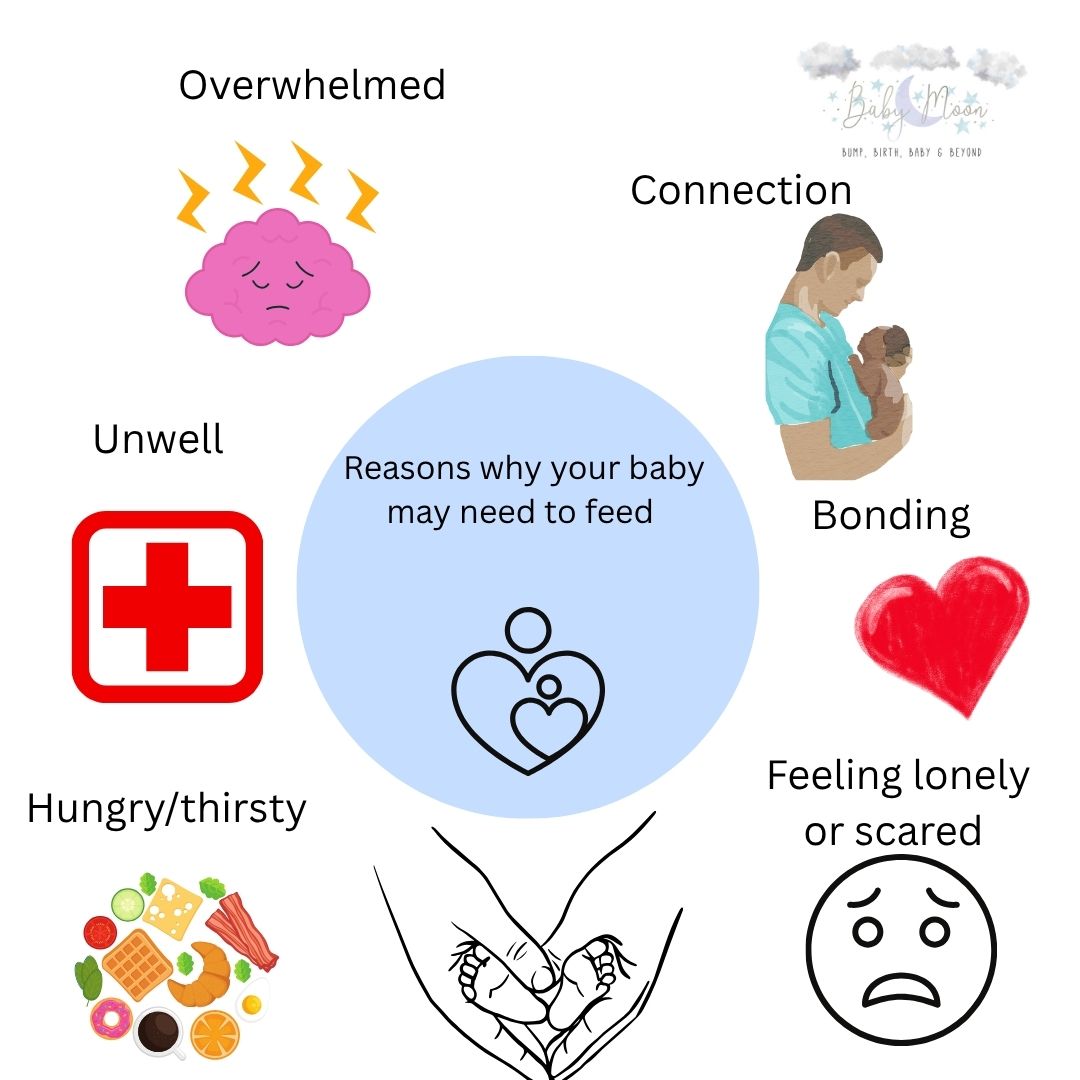
Feeding your baby is more than just food, it is love, comfort, brain development as well as the foundation for relationship building. Over the years there have always been lots of myths such as the ‘ If you keep picking them every-time they cry, they will never learn to self soothe and you will just be making a rod for your own back’. Does this sound familiar? Well, the good news is that the more you pick up your baby and give them that love and comfort, the more settled they will become in the long term.
Having eye contact when feeding your baby, helps support the release of dopamine and oxytocin, which in turns helps grow the garden of your baby’s brain.
Talking, reading and singing to your baby all helps to build their brain, and all of these can be done when you are having skin to skin and time together when you feed your baby(ies). Time at the breast/chest helps settle and soothe babies, if they are feeling stressed/ overwhelmed then having that close contact, that familiar sound of your heartbeat, can help settle and soothe, and by being responsive, you help support that feeling of safety and security.
Let’s think about the womb environment. It is just the right temperature, muted, dim and all their needs are met, and then when they are born they are thrust into the world where everything is big and bright and loud! They feel hunger and cold and it is all a bit overwhelming. However, by having their parents near to have skin to skin and feed, they are regulating all of those needs at once.
You may also find yourself responding and talking to your baby in a sing-song way- this has it’s own name : parentese. Parentese is perfectly pitched to captivate your baby through story and song, or even when you do the grocery shop! This works well when your little one(s) are still wombside as well- sing/talk and read, pick a favorite story and this helps support that early relationship building.
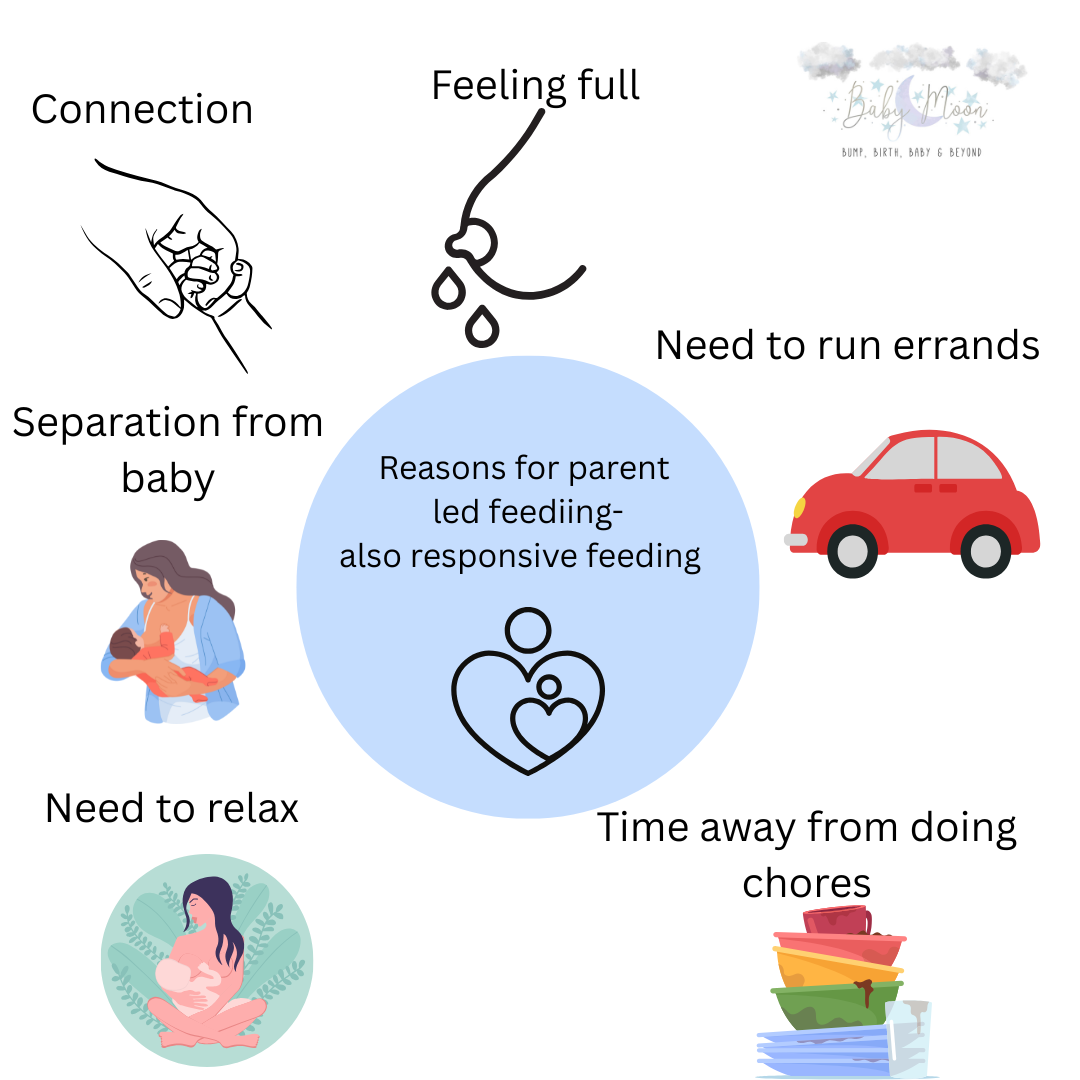
This works both ways too. As a parent/ caregiver you don't have to wait for your baby to initiate that contact or even wait for them to signal they need to feed. If you and your little one have been separated for a few hours, if you need that time to re-connect you can. It can help with feelings of calm and regulation.
Support revisited
A final reminder about the importance of support. This can be local support, friends, family or national support, you can find local numbers below.
National Breastfeeding Helpline 0300 100 0212- 24 hours a day 365 days a year
The Breastfeeding Network supporter line: 0300 456 2421 (Bengali and Sylheti). Support for medications whilst breast/chestfeeding.
Association of Breastfeeding Mothers: 0300 330 5453.
La Leche League: 0345 120 2918.
National Childbirth Trust (NCT): 0300 330 0700
Trans breastfeeding FAQ:
US-based website Kellymom:
http://kellymom.com/bf/got-milk/transgender-parents-chestbreastfeeding/
Breastfeeding without giving birth, LLLI article by Alyssa Schnell
llli.org/breastfeeding-without-giving-birth-2
I’d love to hear from you, and if there’s anything you’d like to know more about!
If you’d like to know more about supporting infant feeding, or getting support, please visit www.babymoontorbay.co.uk and get in touch via our contact form on our website.